
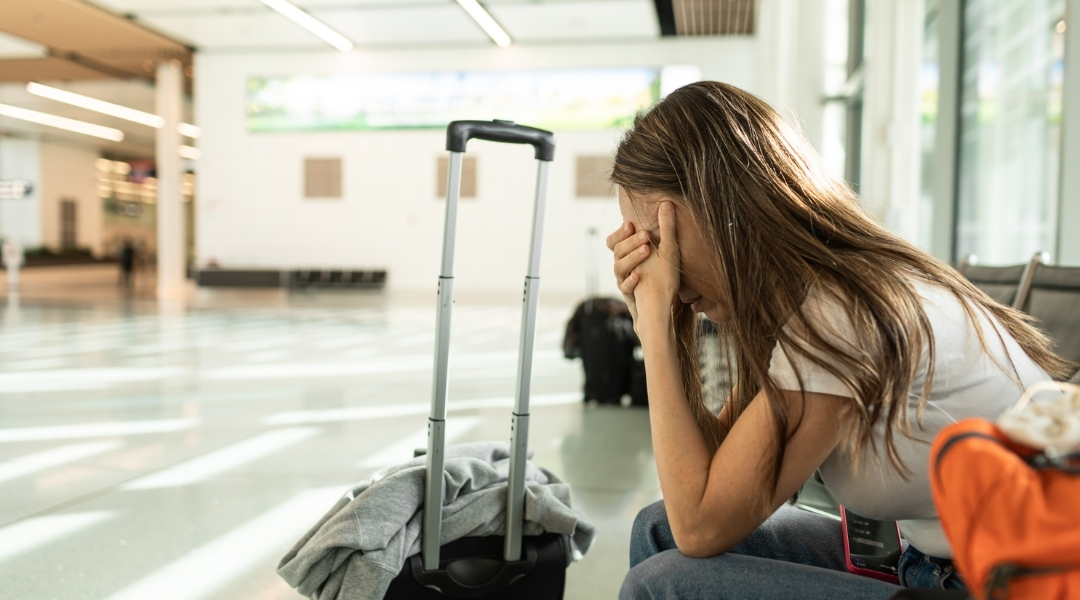
International travel opens up opportunity, but it also exposes you to risks that can evolve rapidly, particularly when foreign conflicts arise. The current Middle East crisis is a clear example of how quickly situations can escalate and directly impact travellers, flight routes, and insurance cover.
A rapidly changing environment
The ongoing tensions across the Middle East have led to airspace restrictions, flight cancellations, and updated government travel advice. In some instances, UK authorities have advised against travel or recommended that British nationals leave certain areas. This reinforces an important reality: a destination considered safe today can become high-risk with very little notice.
From an insurance perspective, this creates a clear distinction. Travel insurance is designed to protect you against unforeseen events, not risks that are already known or developing. Once a situation is widely recognised, particularly through official government warnings, insurers may limit or withdraw cover.
What insurers define as “war”
In insurance terms, “war” is not limited to formal declarations between countries. It is defined broadly and can include civil unrest, insurrection, rebellion, acts of terrorism, hijacking and even government seizure of property. Because of this wide scope, many scenarios linked to geopolitical instability fall within standard policy exclusions.
This means that if your travel plans are affected directly by conflict, there is a strong likelihood that a standard policy will not respond, especially if you choose to travel against official advice.
What to consider before travelling
In the current climate, preparation is critical. Before travelling, you should always review the latest government Foreign Office (FCDO) advice, as insurers rely heavily on this when determining whether cover applies.
Timing also matters. As with all travel insurance, it is advised that you arrange your insurance when you book your travels, and before any disruption becomes known. This is because policies are not designed to cover events that are already anticipated.
Equally important is understanding the detail within your policy. Exclusions, conditions, and limitations can vary significantly, and clarity here can prevent unexpected outcomes if circumstances change.
What to do if circumstances change
If a situation deteriorates while you are overseas, the priority is always your safety. Ensure you follow guidance from embassies and local authorities and maintain contact with your insurer’s emergency assistance team, who can provide practical support and coordinate next steps if needed.
If you are yet to travel, it is important to reassess your plans in light of the latest advice. This may involve speaking with your travel provider about cancellations or amendments, as well as reviewing how your insurance policy may respond under the updated circumstances.
What is typically covered
Most travel insurance policies are designed to provide reassurance in more routine scenarios. This includes cover for emergency medical treatment, repatriation back to the UK, cancellation due to unexpected illness, lost luggage, and travel delays. However, where disruption is directly linked to war or conflict, these protections are often restricted or excluded.
How can we can help you?
As your insurance broker, we can help you make informed decisions in an increasingly complex risk environment. We will work with you to ensure you understand exactly what your policy does, and does not cover, particularly when travelling to regions where risks may be evolving.
Our role is not just to arrange insurance, but to provide you with clarity, timing, and ongoing support. In a world where global events can impact travel overnight, having the right advice in place can make a significant difference to both your safety and your financial protection.
Interested in foreign travel? You may be interested in these articles too:

Russell Butlin
Personal Lines Director
Adler Fairways