
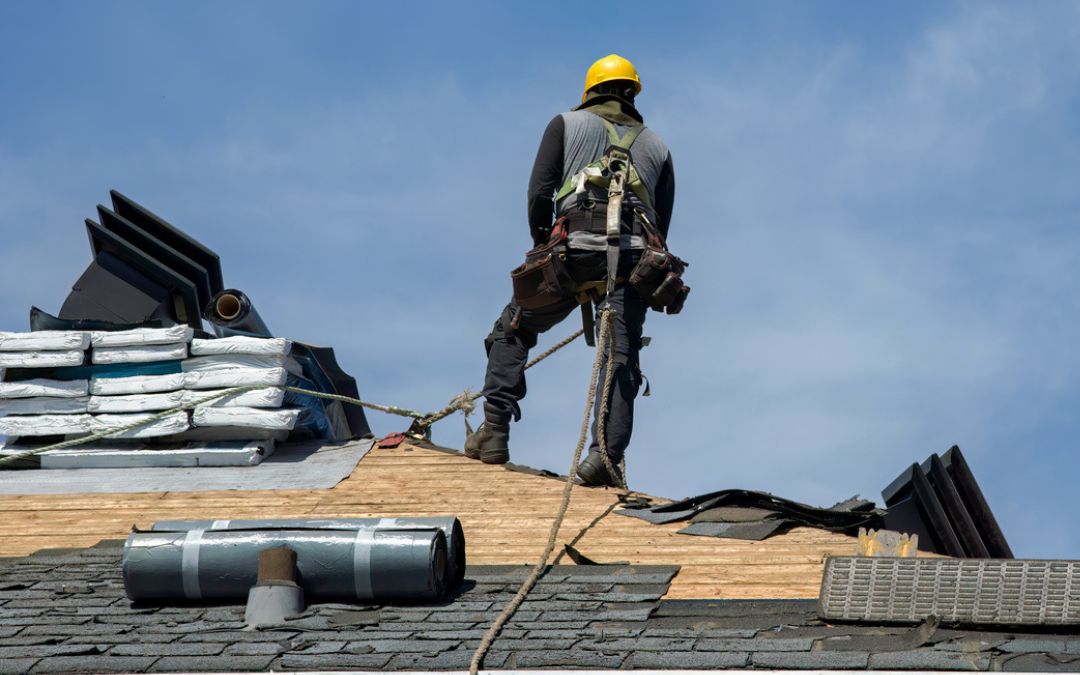
Roofing can be a competitive and rewarding field, and years of hard work can help contractors establish a strong customer base and reputation. Roofing contractors invest their expertise, time and energy to build or repair roofs that will stand the test of time.
However, owning a roofing contractor business can be physically and mentally demanding, and it’s a constant challenge to deliver top-notch service while maintaining profitability.
These challenges are magnified when you consider that risks related to property damage, equipment breakdowns, environmental factors and crime must also be addressed. The list below provides an overview of these risks and more, helping you identify potential areas for improvement in your risk management and insurance programmes.
- While most incidents that occur on a customer’s property would be covered under a public liability policy, property exposures are still present at the contractor’s office and workshop. Exposures can come from malfunctioning electrical equipment, flammable materials, weather and natural disasters.
- No matter how careful your employees are, accidents can and do happen. These accidents create significant bodily injury exposure. Slips, trips and falls are common hazards in roofing operations. What’s more, because roofers work at heights with tools, people below are at risk of injury from falling objects. In the event of a bodily injury to an employee, client or third party, a roofing contractor could be forced to pay for medical costs and legal expenses.
- The vast majority of roofing contractors depend on employees to operate vehicles for the company, creating motor vehicle exposures in the process. While important for daily operations (eg driving between worksites or transporting tools), the use of a vehicle can lead to potential accidents and major insurance claims. What’s more, if you allow employees to use their own vehicles for work, standard motor vehicle policies are often not enough.
- Once a job has been completed, roofing contractors can be held liable if their work product causes bodily injury or property damage. While claims of smaller problems can often be resolved with a repair, larger issues may result in legal action. Completed operations cover can help protect a contractor in the event of such a claim.
- Roofing contractors depend on a variety of different equipment to complete work on a roof, creating significant equipment breakdown exposures as a result. Moreover, roofing contractors can experience business interruptions or even lose contracts as a result of an equipment breakdown.
- Roofing contractors regularly transport equipment, tools and supplies to and from worksites. As such, any property that’s unique or valuable in transit, in your temporary care, stored at fixed (but movable) locations or used to transfer information represents transport exposures. Materials and tools can be damaged in transit from shifting loads or traffic collisions, or at the worksite from collision, being dropped or poor weather conditions. They can also be lost from theft, potentially creating costly losses. Cover such as goods in transit and stock throughput insurance can help fill these gaps.
- The disposal of old roofing materials presents potential environmental liabilities, as these materials can create pollution. Environmental incidents are particularly concerning because they can cause harm to the surrounding community, involve costly clean-up and often cause damage to a business’ reputation.
- Continuity is critical for any business, and there are few things
more A single business interruption can be costly for roofing contractors and may even lead to serious reputation damage or long-term closures. Common interruptions for roofing contractors stem from natural disasters, fires, equipment breakdown and loss of materials.important than continuous revenue and a steady cash flow. - Roofing contractors face several crime exposures, particularly if valuable equipment or tools are left unattended at the worksite, which may attract thieves. Thieves (including your employees) can rob an office or worksite at any time, targeting cash or valuable supplies. What’s more, with worksite locations changing on a regular basis, the level of risk a roofing contractor faces is ever-changing.
- Any time one of your employees is injured on-site, your organisation could be subjected to expensive employers’ liability claims. Common sources of worksite accidents for roofing contractors include falls from heights (eg roofs and scaffolds) and heat stress. Employees may also experience injuries related to equipment use; slips, trips and falls; and repetitive tasks that can cause musculoskeletal injuries. Everyday tasks can lead to accidents and, in turn, increased costs for your business.
While the proper risk management practices can reduce certain exposures, no system is 100 per cent effective in ensuring an incident-free workplace. As a result, it’s all the more crucial to work with a qualified insurance broker to not only assess your exposures, but secure the appropriate cover as well.
Have a chat with our team about roofer insurance and see how we can help your business.
Found this article of interest? You may find these articles useful too:
Protecting your business: minimising risk with trade credit insurance
*Source: Zywave

Gemma Bollen
Client Executive
Adler Fairways