
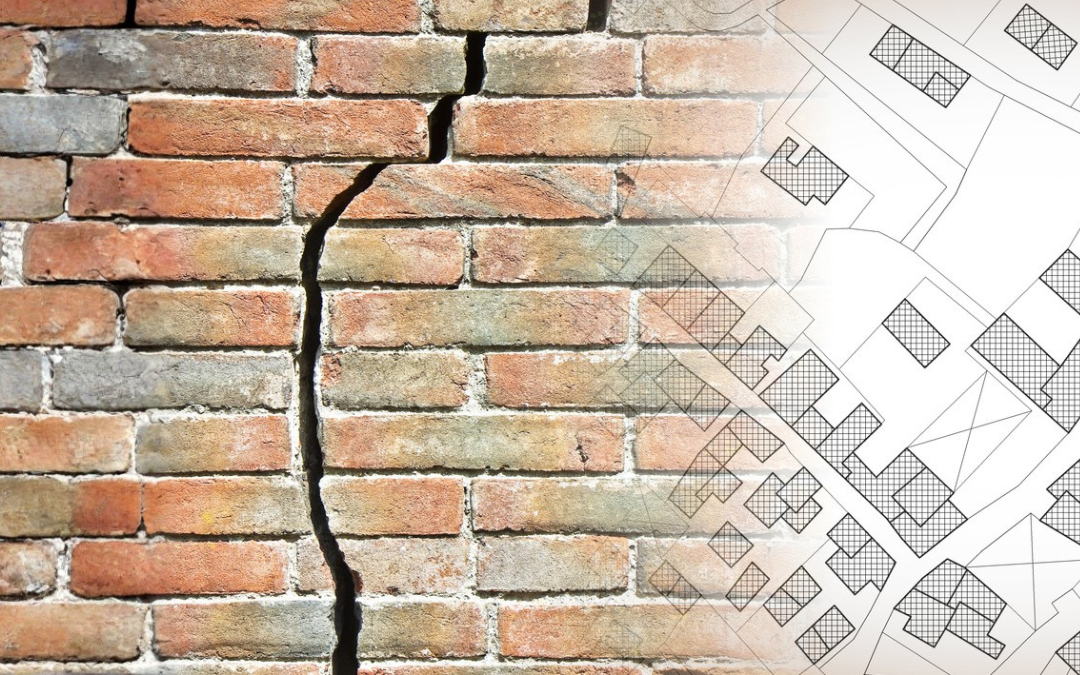
If you’ve noticed new cracks in your walls, doors that suddenly won’t close properly, or wallpaper starting to wrinkle, it’s natural to wonder whether something more serious is going on. One possibility is subsidence, a condition that can affect your home’s foundations and, in some cases, lead to costly repairs.
After a year that has seen several heatwaves followed by periods of heavy rainfall across the UK, many homeowners are wondering whether these changing weather conditions could increase the risk of subsidence and whether their insurance would help if problems arise.
What is subsidence?
Subsidence is the downward movement of the ground supporting a building’s foundations, causing the foundation to move and potentially resulting in structural damage.
In many parts of the UK, subsidence is linked to clay soils. According to the British Geological Survey (BGS), clay-rich soils shrink as they dry out and expand when moisture returns. During long periods of hot, dry weather, that movement can affect the ground beneath your home. If the ground shifts unevenly, it can put pressure on your property’s foundations and cause structural movement.
Other potential causes include leaking drains, historical mining activity and natural ground instability.
What are the signs to look out for?
Not every crack means your home has subsidence, but some warning signs are worth investigating:
- Cracks appearing around doors and windows
- Cracks that become wider over time
- Doors or windows that suddenly stick
- Wallpaper creasing or rippling without signs of damp
- Sloping or uneven floors
If you notice any of these changes, it’s worth keeping an eye on them and seeking professional advice if they worsen.
Is subsidence covered by home insurance?
In many cases, yes.
Subsidence damage may be covered under buildings insurance, subject to the terms, conditions, exclusions and excesses of the individual policy. Cover varies between insurers, so you should check your policy documentation or speak to your broker or insurer before assuming that a claim will be covered.
Can extreme weather increase the risk of subsidence?
Potentially, yes.
Heavy rainfall can also contribute by causing clay soils to repeatedly shrink and swell or by washing away supporting ground in certain circumstances.
Research from the British Geological Survey suggests warmer, drier summers could increase the number of properties susceptible to clay shrink-swell movement in future. According to the Association of British Insurers, subsidence-related insurance claims totalled £153 million during the first six months of 2025, with insurers supporting almost 9,000 households. The figures were published following the UK’s warmest spring on record and its driest spring in more than 50 years.
While weather can be a contributing factor, the likelihood of subsidence can also depend on your property’s location, soil type, drainage and surrounding environment.
How do tree roots affect subsidence?
Trees and shrubs can be contributing factors in some subsidence cases, particularly where established vegetation draws moisture from shrinkable clay soil close to a property’s foundations. The level of risk depends on factors including the species and size of the vegetation, its distance from the property, the soil type and the construction of the building.
During dry weather, tree roots draw moisture from the ground. In areas with clay soil, this can cause the soil to shrink further, potentially increasing ground movement beneath nearby foundations. The potential impact depends on a variety of factors such as the type of tree, its size, how close it is to the property and local ground conditions.
That doesn’t mean every tree near your home presents a problem, but it’s one of several factors that may be considered if subsidence is suspected.
What are your next steps?
Whether you’ve spotted signs of movement, live in an area with clay soil, or simply want reassurance that your home is properly protected, it’s worth taking a few minutes to review your insurance arrangements.
Understanding what your buildings insurance covers, checking any exclusions and knowing where you stand before a problem occurs can give you greater peace of mind.
If you are unsure about your cover, our team can help you review the relevant policy terms, conditions, exclusions and excesses. Any claim will be assessed by the insurer in accordance with the individual policy wording and the circumstances of the loss.

Russell Butlin
Personal Lines Director
Adler Fairways