
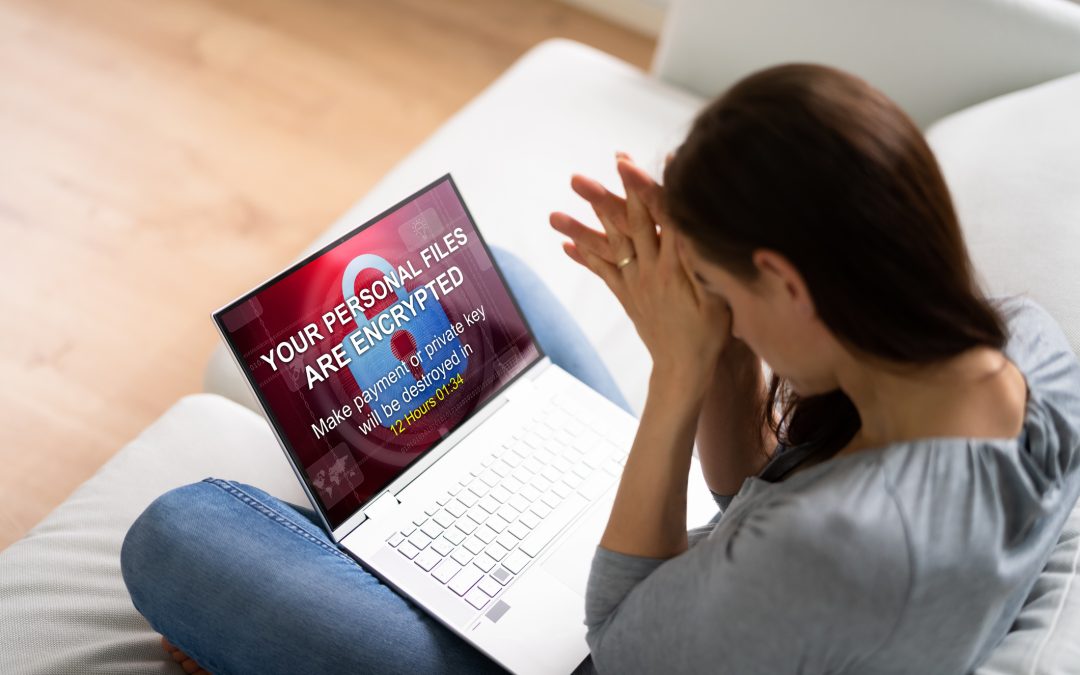
From online banking and shopping to social media, streaming services and gaming platforms, you and your family likely spend a significant amount of time online.
Whether you’re paying household bills, ordering clothing, sharing photos or helping your children navigate the digital world, the internet has become part of your everyday life.
Unfortunately, cyber criminals are increasingly targeting the same online services that many families rely on. Scams, identity theft, hacked accounts and fraudulent online purchases can all have financial and practical consequences for households.
According to research from the Global Anti-Scam Alliance (GASA), conducted in partnership with Cifas, UK consumers lost an estimated £9.4 billion to scams during 2025*. The research also found that one in five UK adults reported having money taken by scammers, highlighting how common online fraud has become.
How could cyber criminals access your information?
You don’t need to be the victim of a sophisticated cyber-attack for your personal information to fall into the wrong hands. Many cyber incidents begin with something much simpler: a convincing text message, email or social media message.
For example, you might receive a text that appears to come from your bank warning you about suspicious activity on your account. Alternatively, you may receive a message claiming that a parcel delivery has been missed and asking you to click a link to rearrange delivery.
These messages can look genuine, often using recognisable logos and familiar branding. However, they may be designed to trick you into sharing passwords, payment card details, security codes or other sensitive information.
These types of fraudulent messages are commonly known as Phishing. This is a common technique used by cyber criminals to try to obtain personal information. Once obtained, cyber criminals may try to access your online accounts, make unauthorised purchases or use your information to commit identity fraud.
Why cyber risks matter to your family
Think about how much personal information your household stores digitally. You may have banking details saved in apps, payment cards linked to retailers, family photographs stored in cloud-based accounts and multiple email and social media profiles containing valuable personal data.
Your children may also use gaming platforms, messaging apps and social media accounts, creating additional digital touchpoints that require protection.
In fact, the research from Global Anti-Scam Alliance and Cifas found that 16% of UK parents with children aged 7 to 17 said at least one child had been the victim of a scam, while Millennials aged 29 to 44 reported average losses of £1,456.90 when targeted by scammers*.
As more aspects of family life move online, you may be asking how you would respond if your personal information was compromised, an account was hacked or you became the victim of an online scam.
What is personal cyber insurance?
Personal Cyber Insurance is designed to help you and your household manage the financial and practical consequences of certain cyber-related incidents. Cover varies depending on the option selected. Limits, exclusions and eligibility requirements apply, and not every cyber incident or financial loss will be covered. Please refer to the policy wording for full details.
Personal Cyber Insurance can support you and your immediate family in the household following identity fraud, social engineering scams, cyber-attacks, cyber extortion, online purchase fraud and cyberbullying.
Some policies can also include access to digital risk monitoring tools designed to help identify potential online vulnerabilities and provide guidance on improving your cyber security.
How much does personal cyber insurance cost?**
Our personal cyber cover options include:
- Silver Cover: £11.65 per year, including Insurance Premium Tax, with a £5,000 per-claim limit and a £10,000 total policy limit.
- Gold Cover: £17.47 per year, including Insurance Premium Tax, with a £10,000 per-claim limit and a £20,000 total policy limit.
Simple ways to improve your online security
Alongside insurance, there are practical steps you can take to help improve your online security:
- Talk to your children about online safety, phishing scams and recognising potential fraud.
- Be cautious when opening unexpected emails, texts or links.
- Use strong, unique passwords across your accounts.
- Enable multi-factor authentication wherever possible.
- Consider using a password manager to securely store login details.
- Review the privacy settings on your social media accounts and limit the amount of personal information visible to others.
- Regularly check your bank accounts and credit report for unusual activity.
- Remove online accounts you no longer use, particularly those that contain personal or payment information.
- Keep devices and software updated.
Could personal cyber insurance be right for your family?
If you’d like to learn more about Personal Cyber Insurance and whether it may be suitable for you and your family, contact our Personal Lines team at Adler Fairways. They can provide information about available cover options, policy limits, exclusions and support services.
Was this article useful? You may also find this of interest: Think Before you Post on Social Media
*Sources: Cifas State of Scams in the UK 2025
** Premiums shown are correct at the time of publication. Cover is subject to policy terms, conditions, limits and exclusions.

Russell Butlin
Personal Lines Director
Adler Fairways