
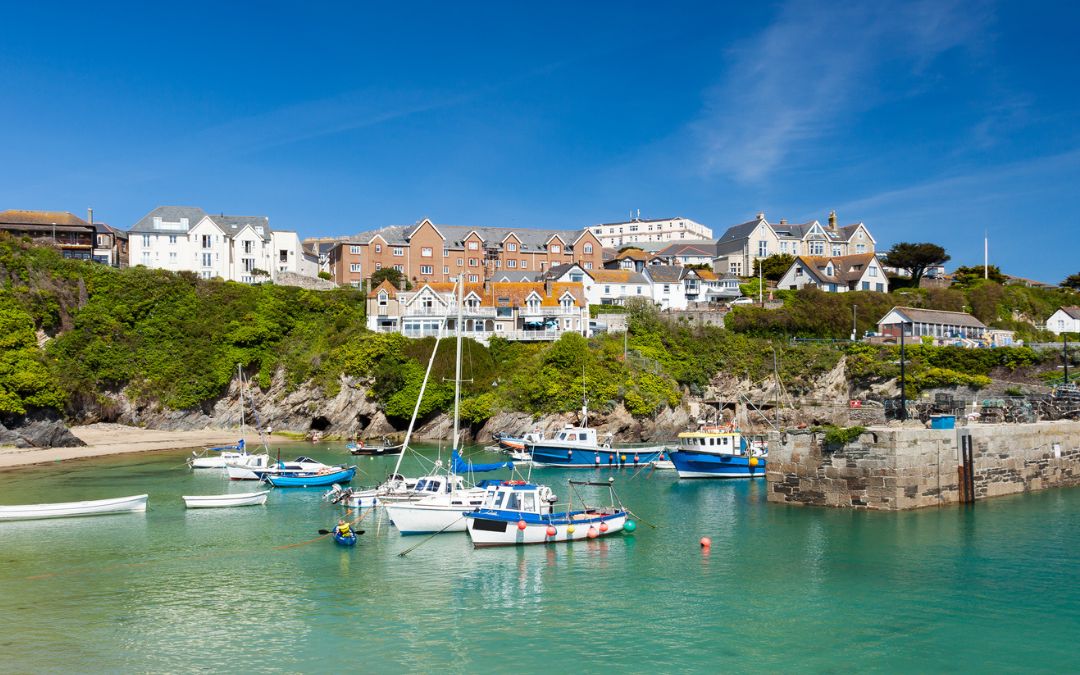
Do you own a holiday home, a second home, or run a short-term let such as an AirB&B in the UK? If so, are you aware that these properties carry very different risks compared with owner-occupied homes, and your standard home insurance may not provide the cover you think it does?
Understanding the unique challenges of holiday home insurance can help you avoid unexpected gaps in cover and costly claims.
Lets look as the things you need to be aware of:
Standard policies may not be enough
Traditional home insurance policies are written with the assumption that the property is your main residence, occupied most of the year. Insurers often scrutinise the occupancy status of the property and may restrict or void cover if it’s left unoccupied for extended periods. Many policies impose unoccupancy conditions after 30 or 60 consecutive days, so failing to notify your insurer if your holiday home sits empty could lead to denied claims.
Second home ownership in the UK
In the UK, there are a significant number of second homes and unoccupied dwellings. The 2021 Census estimated around 172,500 dwellings in England and Wales were classed as second homes with no usual residents, including holiday homes and short‑term lets. These homes are concentrated in areas such as the South West, where second home ownership is particularly high*.
Higher risk of damage
Because guest turnover increases risk, accidental damage and liability exposures are higher in holiday lets than in owner‑occupied homes. Fixtures, fittings, and contents inevitably face more wear and tear with multiple visitors throughout the year. If you let your property commercially, make sure your insurance explicitly covers guest use and defines permitted occupancy periods.
Location matters
The location of your holiday home also affects risk. Coastal or rural properties are statistically more exposed to flood, storm, and escape of water risks. UK insurers paid over £1.4 billion in weather-related home insurance claims in one recent quarter, prompting higher premiums and stricter underwriting for high-risk areas**.
Declare short-term letting
Policies designed for primary residences may also exclude rental activity, meaning claims for loss of rental income or guest-related incidents could be denied***. Additionally, your standard Occupiers’ Personal Liability cover will not be sufficient for letting purposes, it needs to be upgraded to a Property Owners (Landlord) Liability policy to properly cover accidents or claims arising from tenants or guests. Remember to always inform your insurer if the property is let commercially to avoid gaps in both income and liability protection.
Top tips for holiday home insurance
- Check unoccupancy limits: Know how long your property can sit empty before cover is affected.
- Update contents cover: Ensure furnishings reflect heavier use by guests.
- Consider location risks: Factor in flood, storm, and water damage exposures.
- Inform your Insurer about letting: Make sure rental activity and liability are explicitly covered.
- Review regularly: Reassess your policy annually or when usage changes.
- Document the property: Keep inventories and photos to support potential claims.
Your holiday home can be a fantastic investment. Contact us today and make sure your insurance fully reflects how you use your property.

Russell Butlin
Personal Lines Director
Adler Fairways