
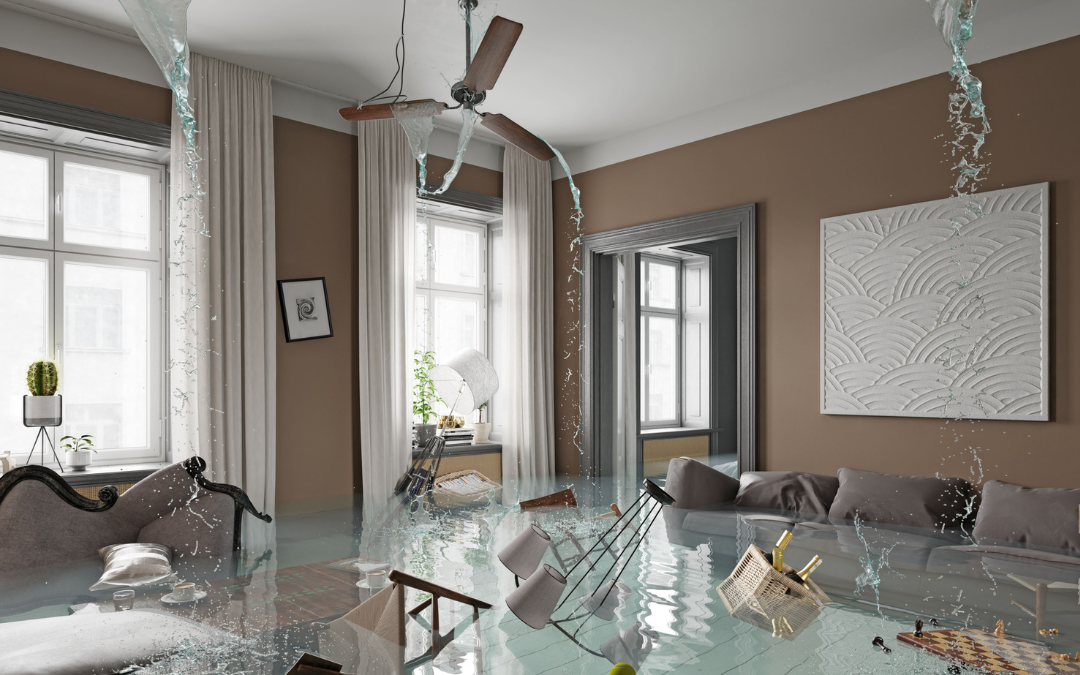
A leak and the impact of the water damage can strike quickly, often before you even notice. Even a minor leak can spread across rooms, affecting your home’s structure, electrical systems, and your valuable possessions. For luxury homes, the consequences can be particularly severe. Premium materials, bespoke finishes, and high-value contents drive repair and replacement costs significantly higher. In 2023, water damage from burst pipes and leaks cost property owners and insurers £1.04 billion (Association of British Insurers).
Hidden damage increases your costs
Hidden damage is a major challenge. Water can seep behind walls, under floors, or into ceilings, increasing drying times, requiring specialist restoration, and driving up costs. Large claims often happen when your home is unoccupied, whether a secondary property or during travel.
Alternative accommodation drives claim costs
In London and the South East, private rents are the highest in the UK. According to the Office for National Statistics, London saw 9.9% private rent inflation just in the 12 months to February 2025, with average monthly rents now £2,235. Short-term rentals are limited, so insurers often arrange six- or twelve-month tenancies, even if the property is only needed briefly, further increasing claim costs.
How to minimise water damage risk
- Maintain low-level heating and inspect pipes – Prevent frozen pipes by keeping your home warm by keeping low-level heating during winter months and absences, and schedule regular plumbing inspections to detect leaks early.
- Use flow-monitoring technology – Technology can assist with the aid of affordable flow monitoring devices. These devices alert you to potential leaks. Chat with us as to whether your insurer can provide these for you, and any additional benefits such as no escape of water excess and complimentary call-outs.
- Install automatic leak detection systems – For the highest level of protection, the installation of leak detection systems with an automatic shut-off function can assist. These systems monitor water flow continuously and automatically shut off the supply on-site or remotely.
Combining maintenance, inspections, and smart technology can significantly reduce your water damage risk.
How insurance can help
Buildings and contents insurance may cover some water damage, but now is the time to review your policies to ensure they reflect your property, lifestyle, and high-value possessions.
- Buildings Insurance – Covers your home’s structure, including walls, roofs, floors, and permanent fixtures g., fitted kitchens, fitted wardrobes etc. This helps repair damage caused by leaks from burst or leaking pipes, faulty plumbing, or water seeping through roofs or walls. Ensure coverage limits reflect high-value materials and bespoke finishes.
- Contents Insurance – Protects your personal possessions inside your home from water damage caused by leaks, overflowing appliances, or pipe bursts. High-value items such as artwork, jewellery, and designer furniture should be revalued on a regular basis to maintain adequate coverage.
Optional and additional coverage:
- Accidental Damage Cover – This extends your protection to unexpected incidents, including resultant damage from water leaks from sudden appliance failures, or overflowing sinks or bathtubs, or accidental damage to high-end finishes caused by water exposure.
- Alternative Accommodation / Loss of Use – Provides temporary housing costs if your home becomes uninhabitable due to water damage from leaks. This is particularly relevant in high-rent areas such as London, where securing temporary accommodation quickly can be expensive.
- Home Emergency / Emergency Assistance – Rapid response to urgent water-related issues.
Have a chat with our Private Client team to talk through your needs and ensure your home is adequately covered.

James Curnin Cert CII
Client Executive - Private Clients
Adler Fairways